


- December 22, 2025
- info@maptoppers.com
- 0
Rinnai Tankless Water Heaters vs. Traditional
Rinnai Tankless Water Heaters vs. Traditional
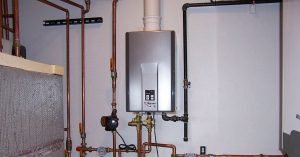
If you’re deciding between a Rinnai tankless water heater and a traditional tank model, the right choice depends on more than just price tags.
At Sinrom Construction, we’ve installed both, and when it comes to Colorado cabins, winters, and high-altitude homes, one of them clearly performs better.
Let’s break it down.
Installation & Space
Traditional tanks are big, heavy, and take up floor space, which is not ideal when you’re working with tight crawlspaces or cabin utility rooms.
Rinnai tankless units mount on the wall and free up square footage, which can matter more than you think when building or remodeling.
We’ve installed them in everything from post-fire rebuilds to off-grid cabins, and they always win on space and flexibility.
Energy Use & Efficiency
One of the biggest advantages of Rinnai tankless over traditional water heaters is energy savings. Traditional tanks constantly reheat stored water, even when you’re not using it. That’s money down the drain.
In contrast, Rinnai units heat water only when you need it. That on-demand design means serious tankless water heater energy savings, especially for part-time cabins or smaller households.
Hot Water Availability
Ever had to wait for a tank to refill after two showers and a dishwasher cycle? With Rinnai, you don’t. These systems offer continuous flow, which means no tank, no waiting.
We’ve seen families run multiple showers back-to-back without a hiccup. And when comparing the Rinnai hot water flow rate to most standard tanks? Rinnai delivers faster, more reliable performance every time.
Maintenance & Longevity
Rinnai heaters typically last over 20 years with proper care; that’s 5 to 10 years longer than most tanks. Plus, they’re easier to service and troubleshoot over time.
If you’re thinking long-term or want fewer surprises down the line, Rinnai’s reliability is hard to beat.
Cold-Weather Performance
Here’s where it really matters: Colorado winters.
Many tank systems struggle with freeze risk and slow recovery in freezing temps. Rinnai’s freeze protection systems make it possible for the heater to function even at altitude, something we’ve put to the test in homes again and again.
Bonus? You can choose between condensing vs non-condensing Rinnai models depending on your venting setup and budget.

The Bottom Line
If you’re weighing Rinnai vs traditional water heater options for a mountain home, don’t base your decision on what works “in town.” Think about space, weather, usage, and long-term efficiency.
At Sinrom Construction, we’ve installed hundreds of these, and you just can’t beat their efficiency. Ready to upgrade? Call us at 970.389.2501 or reach out online. We’ll help you make cold showers a choice, not an accident.
FAQ's
What’s the main difference between a Rinnai system and a traditional tank water heater?
Long story short, traditional heaters store hot water in a tank and keep it warm all day, while Rinnai tankless systems heat water only when you need it, which saves both energy and space.
Is it worth buying a tankless system instead of a regular water heater?
In many Colorado homes, yes, especially if you want better energy efficiency and fewer maintenance headaches. When buying a Rinnai tankless vs. tank water heater, it’s smart to factor in things like long-term cost savings, flow performance, and winter reliability.
Where can I learn more about the benefits of switching to Rinnai?
We’ve broken it down in another article: Top 5 Benefits of Rinnai Tankless Water Heaters. It’s a quick read if you’re still weighing the pros and cons.
Do you install water heaters outside of the mountains?
Yes, while we specialize in high-altitude homes, we install tankless water heaters across the Front Range and beyond. Whether you’re in the foothills or in town, we’ll make sure your setup fits your climate and water demands.
Why choose Sinrom Construction over a big-box installation service?
Because we live here. We know what fails at 9,000 feet and what keeps working through February. Our team custom-installs every system with Colorado winters, water quality, and cabin use cases in mind, not just manufacturer specs.